When the 19th century broke through the ruins of the Napoleonic wars, Catalonia was one exhausted country but not collapsed. The French War (1808–1814) had left a deep scar in the economy and in the demography: cities looted, factories shut down, infrastructure destroyed.
But the blow that would come next would be of a different nature: political and economic. The crisis of Spanish colonial system, accelerated by the American wars of independence between 1810 and 1826, go eliminate the captive market that had fueled Catalan exports for decades. The cotton spun in Igualada and the Indians woven in Barcelona no longer had a guaranteed buyer in Cuba, a Mexico nor al Peru to the extent of before.
The post-colonial economic crisis
Paradoxically, this crisis acted as a trigger. Faced with the impossibility of accessing the markets Americans under the same conditions, the Catalan industrial bourgeoisie understood that it was necessary modernize the production and gain competitiveness in European markets. Spain was a large country and I needed products industrial that no one was manufacturing on a sufficient scale. Catalonia bet to fill this empty
The need for reindustrialization
The response of the Catalan bourgeoisie was clear: invest. Not in land or income, as it had been done the Castilian aristocracy, but in factories, in machinery and, very soon, in the great project of the century: the railway The capital accumulated during the years of colonial trade found a new destination: the productive modernization of Catalonia.
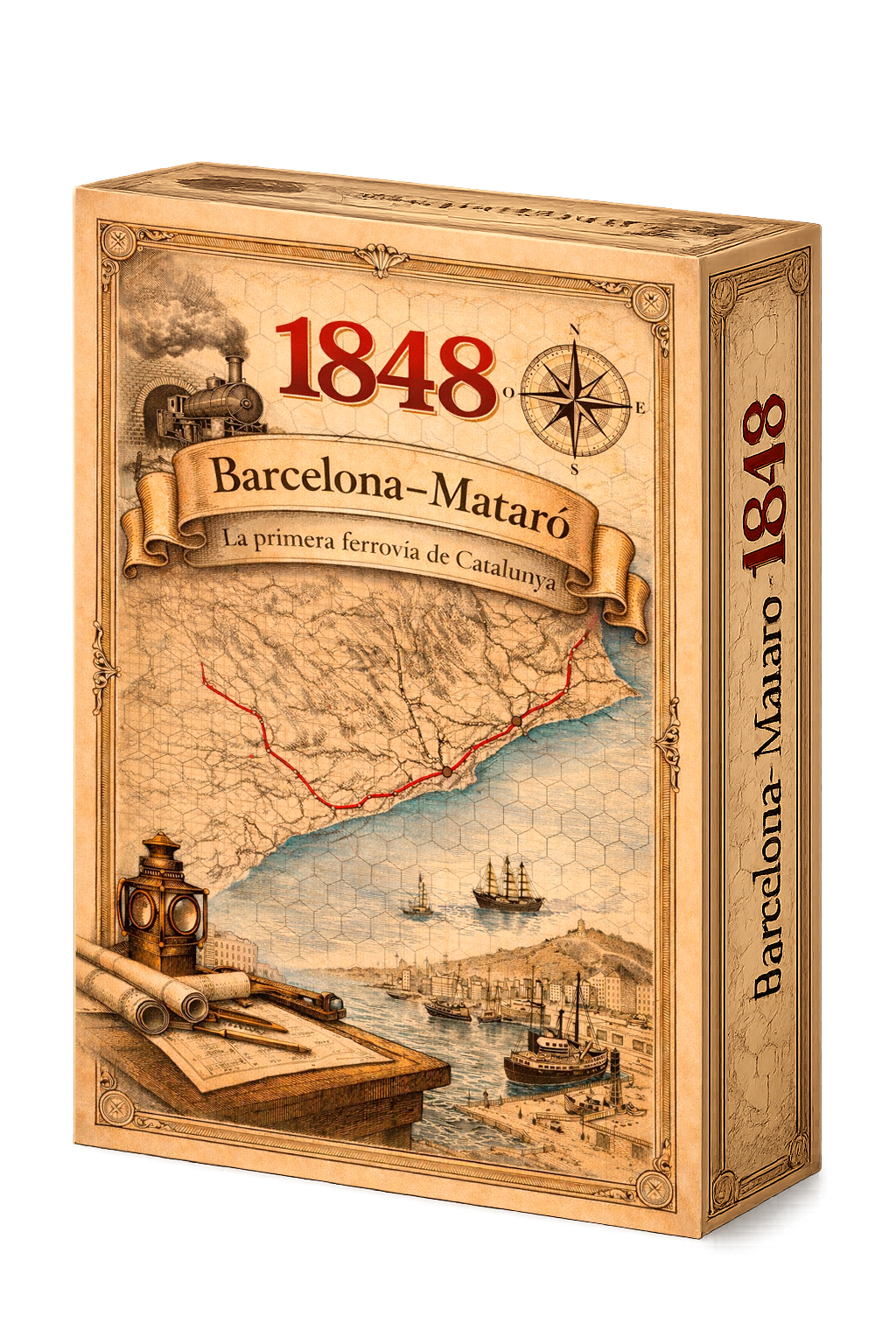
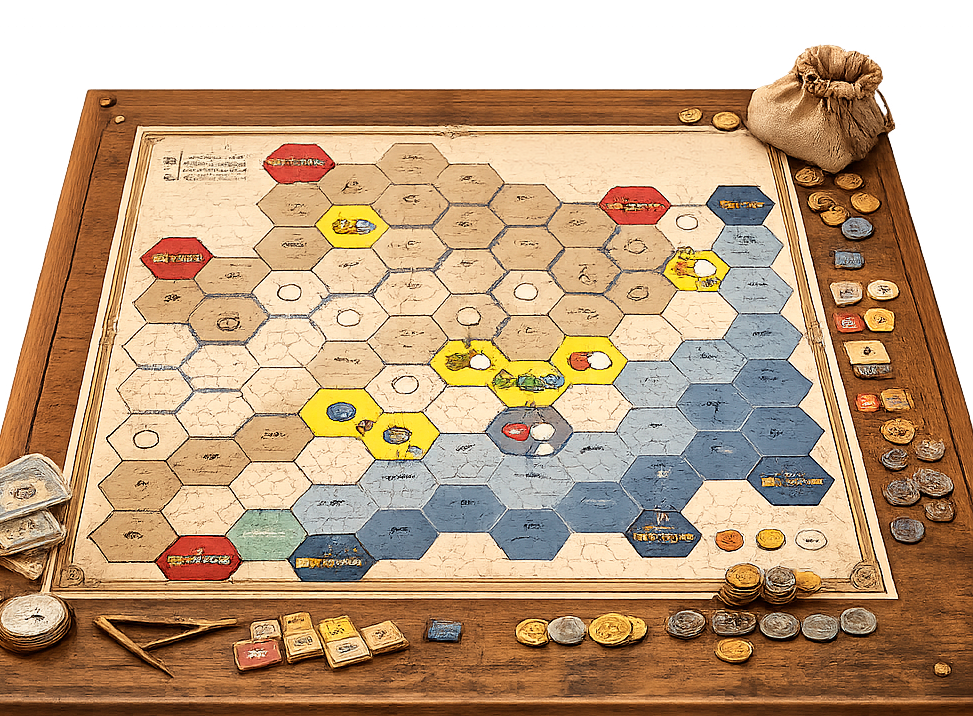
In the game, the context of initial instability is reflected in the low values of the first cards of company and in the difficulty of capitalizing the railway companies in the rounds initials The economic recovery is a narrative arc that players must build.